
Laurent Mekies credits Max Verstappen’s P21-to-P2 surge in Brazil, saying no Red Bull sim would predict it
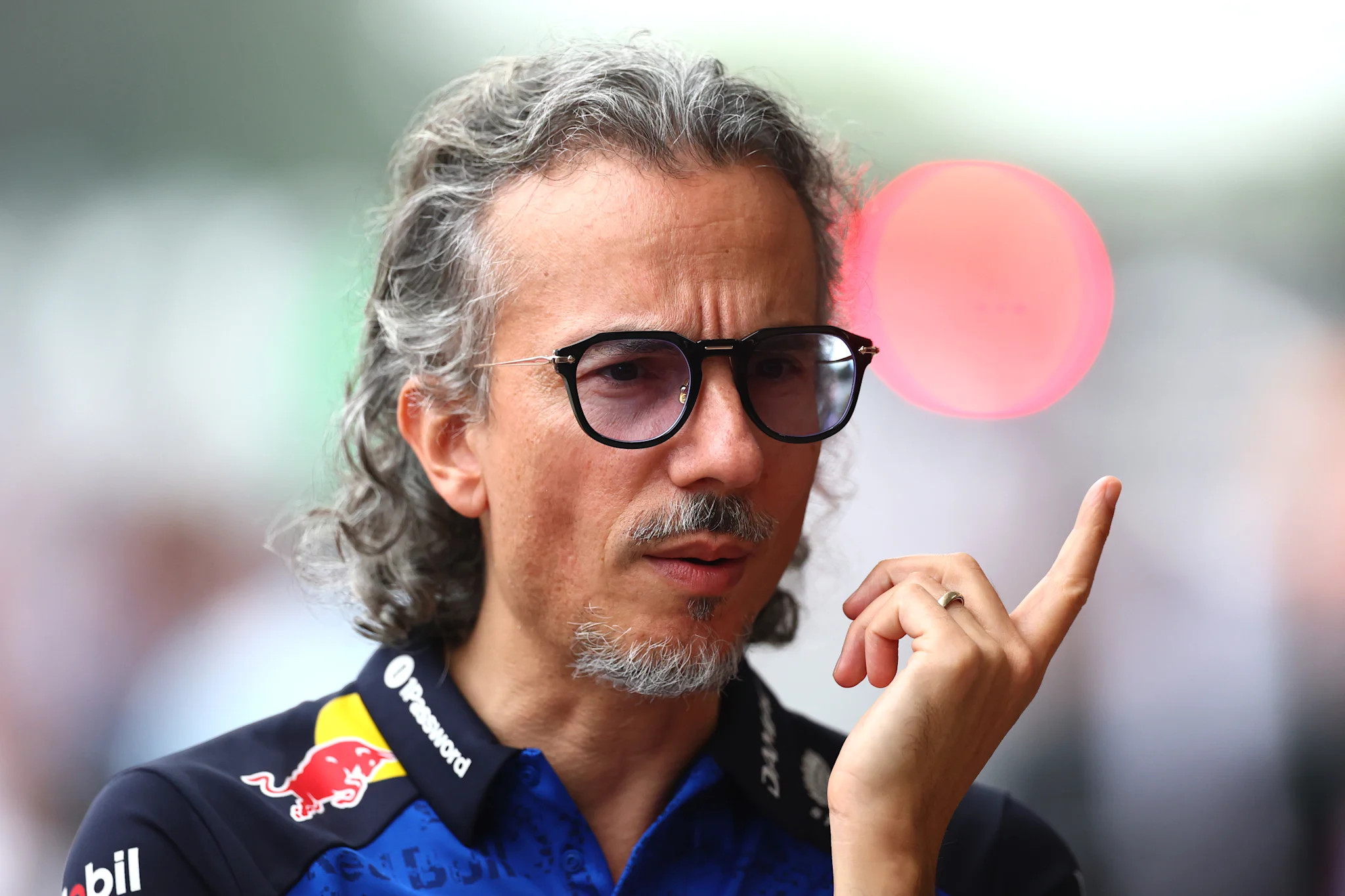 Image accompanying the official F1 announcement.
Red Bull Racing team principal Laurent Mekies said he was stunned by Max Verstappen’s performance at the Sao Paulo Grand Prix, describing the Dutchman’s charge from 21st on the grid to finish second as something “no sim in the world” could have forecast. In Mekies’ view, Verstappen’s recovery was not just a strong result, but a consistent signal that the car-and-driver combination can exceed expectations in ways that are difficult to capture in modelling, particularly over short bursts of time on a demanding race surface. Mekies also highlighted that Isack Hadjar backed Verstappen with a third-place finish, helping Red Bull deliver a top-three outcome at Interlagos.
Mekies stressed that Verstappen had been aware of the evolving difficulty of overtaking for the 2026 era cars, cautioning that passing would be less straightforward than in prior seasons. Against that backdrop, Mekies argued Verstappen still found the performance needed to make significant progress early and keep momentum through the race, even though he was “not happy” at times with the balance of the RB22. While acknowledging the recovery’s scale, Mekies also linked it to the reality that the team began the weekend with a problem that led to a penalty for Verstappen, forcing him to start from the back rather than where Red Bull likely expected to be.
The team principal said the frustration was understandable because Friday pace and Saturday morning pace had looked promising, and he referenced Q1 as a window where Verstappen was allowed to qualify. Mekies then described the penalty as an outcome of circumstances that were not planned: the team had a small issue on Friday that required them to take the first penalty with Max during the weekend. “It’s part of the game,” Mekies said, adding context that this was the first year with the relevant power unit and that the team had been working to integrate the new demands under race conditions.
Asked whether Verstappen could have challenged winner Lando Norris from higher on the grid, Mekies stopped short of assuming it was guaranteed even if the Dutch driver had started near the front. He said, “Well done to Lando and to McLaren,” and suggested that McLaren appeared generally quicker in race terms. Mekies also argued that even if Verstappen had started second, Norris’ pace would likely have been slightly better, meaning Red Bull’s potential would depend not just on starting position but also on whether there was enough speed to sustain a fight throughout the race.
Mekies said the team still needs to analyse what separated Red Bull from McLaren’s pace, including whether performance differences came from tyre degradation, pure speed, or upgrades introduced for the weekend. He also pointed to Verstappen’s own feedback after switching to dry tyres, noting that the driver was vocal about car balance and remained unhappy even when the race returned to inters late. For Red Bull, the key question, in Mekies’ words, is how much time loss came from balance issues and whether correcting that would have been sufficient to challenge McLaren more directly.
On the team dynamics that shaped the front three, Mekies confirmed that Hadjar did allow Verstappen through during the race, and that there was an option to swap back later. However, he said the swap did not happen because the race situation changed: Red Bull would have reversed positions “if the cars had stayed close together,” especially since Hadjar had strong pace and remained with Verstappen after the initial exchange. Mekies said that once the rain returned again and the cars became “very, very distant,” a swap would not have made sense, particularly with increasing rain intensity toward the end.
Mekies also defended the value of Hadjar’s performance despite the team outcome, describing Interlagos as a strong showing that built on earlier struggles to find the right setup earlier in the weekend. He said Hadjar’s result reflected “pure pace” over both dry and inter conditions, calling it one of the best races Hadjar had produced with the team. Mekies added that the team had been encouraged by how Verstappen consistently raises the bar, referencing Red Bull’s decisions leading to confirm him for 2027 and framing Brazil as evidence that the environment the team provides is enabling that improvement.
Finally, Mekies contextualised the Sao Paulo race within a wider competitive picture at the front of the grid. He said the “convergence” of performance appears to be happening earlier than expected, and he suggested restrictive regulations may be a factor, even as teams still show visibly different concepts. With four top teams fighting at the front and tight Qualifying margins—Mekies said top five in Qualifying were separated by two-tenths—he argued this is a positive situation for the sport as it already approaches the latter part of the 2026 season.
While discussing prospects, Mekies framed Red Bull’s next steps as analysis and learning: understanding Verstappen’s balance-related time loss in the race, assessing how much of the gap to McLaren was addressable, and refining how the team manages the evolving 2026 operating window across changing weather. For fans, the immediate takeaway was clear: even under the constraints of a back-of-the-grid start and shifting conditions, Red Bull delivered a top result that Mekies insists surpassed what the team’s simulations could realistically anticipate.
Reporting source: F1 official update