
Leclerc points to Qatar’s “very smooth” surface after Ferrari qualifies P7 and P9
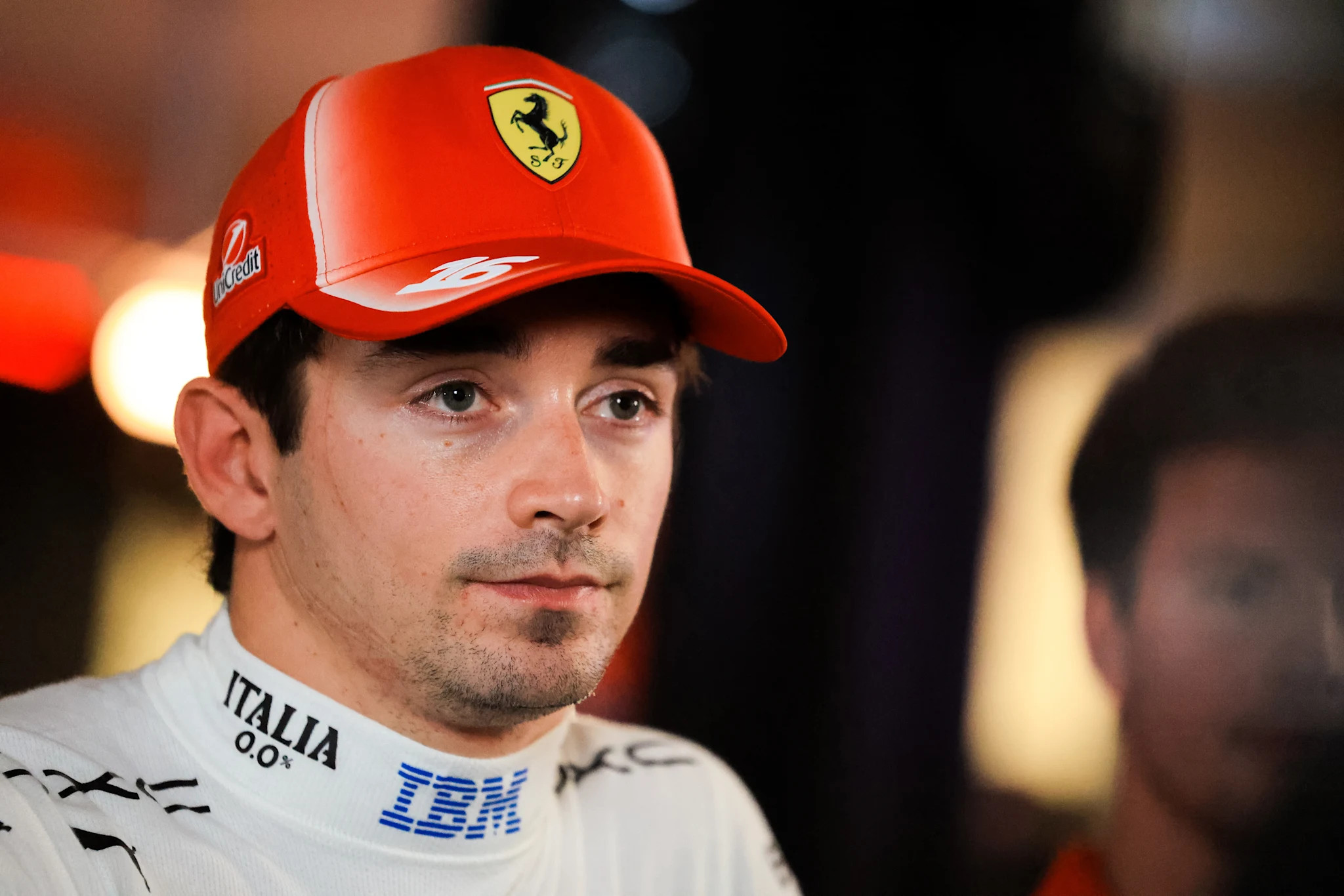 Image accompanying the official F1 announcement.
Charles Leclerc attributed Ferrari’s limited pace in Qatar Qualifying to something specific about the track surface, after the Monegasque qualified seventh for the Qatar Grand Prix and left Q3 expressing frustration at a lack of a “quick fix” for what he believes is going wrong on the circuit. Leclerc said the smooth nature of the tarmac is not suiting Ferrari’s car during Qualifying, even though the overall layout is not unusual, and he pointed to the gap to the front as evidence that the problem is more than a marginal deficit.
Leclerc followed up on the nature of the pace shortfall after setting a best lap of 1m 22.955s, more than a second behind pole sitter George Russell. When asked whether he had extracted everything available in the session, Leclerc said there are always “one or two tenths” to find in Qualifying, but that Ferrari is “very far” from the teams ahead. He then framed the team’s next step as diagnosing what the car is failing to do on Qatar’s surface, adding that “there’s quite a few things” indicating the issue is connected to the tarmac itself and that the team will have to investigate rather than apply a quick remedy.
Because Ferrari’s qualifying result places it behind Mercedes pace-setters as well as both McLaren and Red Bull drivers, Leclerc suggested the focus now shifts to what can be learned and improved for the future, rather than expecting an instant turnaround for Sunday. “There’s no quick fix to it, but there’s surely something that we can learn from and hopefully have a solution [for] the future,” he said.
Lewis Hamilton echoed the difficulty for Ferrari around Lusail, qualifying ninth and agreeing that the car is not performing as needed on this circuit, particularly as the team continues to struggle for straight-line speed. Hamilton said the car “doesn’t want to go any faster,” while noting that Leclerc may have found a better setup state than Hamilton did. He also described Ferrari’s challenge as a combination of straight-line performance and the overall behaviour of the car through the corners, which he said is influenced by how the track surface compares with other circuits.
Hamilton linked the track character to overtaking expectations for Sunday, saying that “you never see overtakes really at this track,” and that while the leading cars are particularly quick, he could not precisely forecast how the race will play out. He added that Mercedes remains quick through both the straights and corners, and that with the circuit offering limited passing opportunities in other sections, Ferrari will have to try to maximize its chances rather than assume it can make easy gains on track.
Alongside the performance concerns, the Qatar Grand Prix carries a strategic factor: a 27-lap limit across all tyre compounds in Sunday’s race will force teams into a minimum two-stop strategy. Leclerc said the long-run requirements could influence the final order, while also stressing that Ferrari does not currently expect to compete for a better result than what it secured in Qualifying due to the size of the deficit from the front of the field.
“Clearly it’s going to be a long race tomorrow,” Leclerc said, adding that he will do his part to maximize everything available and see whether an opportunity appears. With Ferrari starting from seventh and ninth, the team’s outlook for Sunday hinges not just on tyre management under the imposed stint length, but on whether it can turn Saturday’s surface-related concerns into measurable performance improvements before the race begins.
Reporting source: F1 official update