
Fernando Alonso and Aston Martin seize a rain-altered moment in Sepang as Alonso takes P8
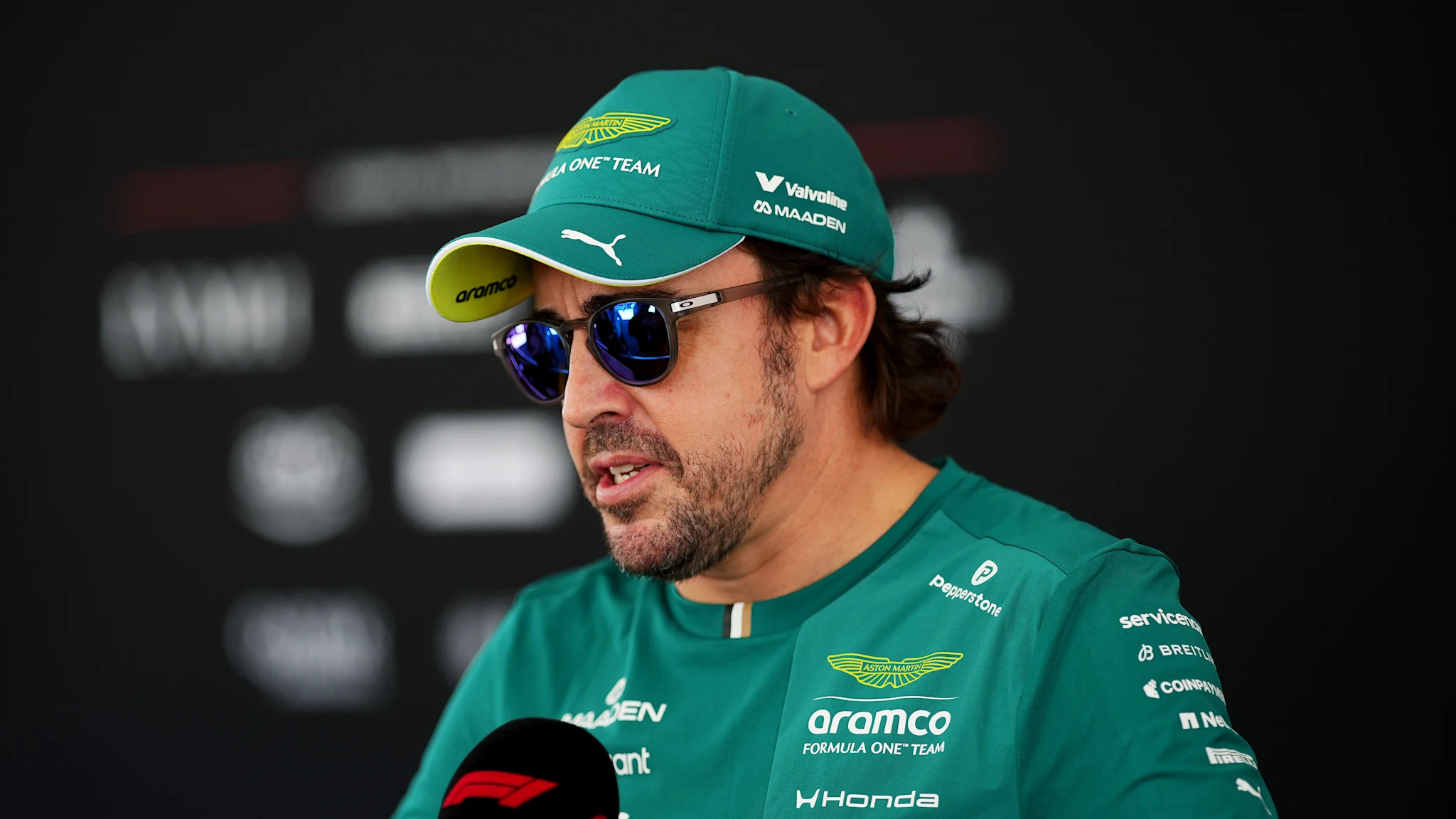 Image accompanying the official F1 announcement.
Fernando Alonso scored Aston Martin’s first points since August with a P8 finish at the Bahrain Grand Prix in Malaysia at Sepang, a result he credited to a rare break in conditions that overturned his expectation of a tougher afternoon after starting 12th. In the build-up to the race, Alonso said he believed he could be vulnerable on the straights in the opening laps and then lack the pace to recover, but rain on an eventful Sunday disrupted that plan and ultimately opened the door to a points-paying position.
According to Alonso, the wet-to-drying track created an opportunity that the team had to react to in real time. He described how Aston Martin, along with multiple other teams, initially chose slick tyres (mediums) as the session transitioned away from full wet running, reasoning that the rain would not last. Alonso said: “The rain was very much appreciated in terms of opportunities for us, and we even started with slicks because we thought that the rain was not anymore there. It took quite long to restart the race, but I'm sure there is an explanation.”
As the race progressed, drivers who remained on slicks found the tyre choice increasingly problematic. Lance Stroll switched to intermediates early, while Alonso stayed out with the slicks, effectively banking on a Safety Car to create a “cheap” tyre-change window and tighten the field. That gamble paid off to some extent: Alonso passed former McLaren team mate Lewis Hamilton while both were looking for grip on a slippery circuit.
The Safety Car that Alonso hoped for arrived, and after the resumption he moved steadily through the order. He entered the points when he passed Arvid Lindblad just before a late VSC transitioned into the second full Safety Car period. From there, the race’s attrition and incidents further reshuffled the field: George Russell retired, Lando Norris suffered a mishap, and Alonso was promoted to P8. With another restart to manage, Alonso held position and crossed the line safely in front of Norris.
Aston Martin’s Chief Trackside Officer Mike Krack said the team’s tyre decision required review, even as he acknowledged the positive outcome. “I think we did some good decisions, but we did also some that were less good, and this we need to review clearly,” Krack said. He explained that the team effectively split its strategy, switching Stroll away from slicks while Alonso stayed on them for longer, adding that Alonso reported that the tyres did not feel too bad at first—until intermediates proved faster as the conditions evolved.
Krack also pointed to the broader picture across the field as part of the team’s review. He said the decision was not unique—“we saw that 50 per cent of the field did what we did, but 50 per cent did not get it right”—and that Aston Martin would examine how the race conditions and timing influenced each choice. At the same time, he stressed that the Safety Car helped the team close up and turn the contest into a more “normal race” after the initial disruption, noting: “I think we were fortunate with the Safety Car to close up again, and then it started more going into a normal race.”
While encouraging, the points finish did not prompt Krack to overstate the team’s momentum. He emphasized the need to understand why Aston Martin was more competitive in Sepang than in recent events, contrasting the result with difficult outings in Madrid and Baku in the weeks preceding this race. “Let's not forget, three weeks ago we were in Madrid, one week ago we were in Baku, and we were just nowhere,” Krack said. His focus, he added, is to keep analysing what went better, take a measured breath when points arrive, and better capitalize on future opportunities—especially when the team’s underlying pace in non-disrupted races is not yet consistently sufficient to reach the points.
Reporting source: F1 official update