
Verstappen wins eventful 2026 Bahrain Grand Prix in Malaysia as Russell’s race ends in heartbreak
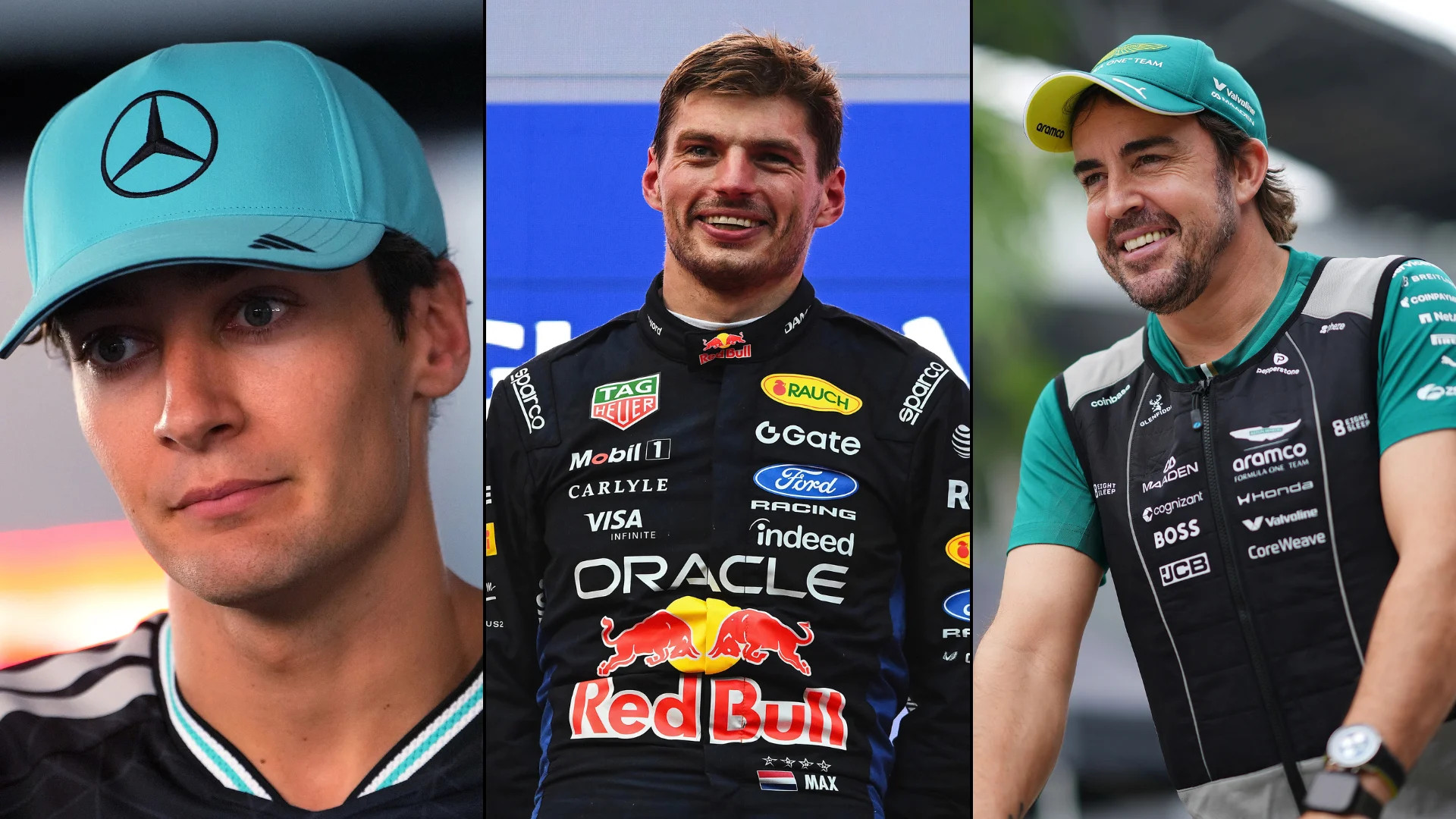 Image accompanying the official F1 announcement.
Max Verstappen returned to the top of the podium for the first time in 2026, winning the Bahrain Grand Prix at the Sepang International Circuit in Malaysia in a race that swung repeatedly between changing weather and race-control phases. Coming into the weekend after closing to within two tenths of victory in Azerbaijan, Verstappen carried momentum into Sepang and translated an emphatic qualifying performance into a Sunday result despite heavy rain and multiple disruptions.
Red Bull’s preparation for the 2026 era included a major technical push, investing in its own power unit facility and building an engine from the ground up. Verstappen and team mate Isack Hadjar arrived at Sepang with a combined tally of nine Grand Prix podium finishes across the first 15 rounds, although reliability issues had caused headaches earlier in the season—setting the context for why the Bahrain breakthrough mattered. Verstappen then delivered on Saturday, taking pole position with a lap time nearly three tenths quicker than the next-closest challenger, Lewis Hamilton.
Sunday’s race at Sepang turned into a test of adaptability. The event included heavy rain, a suspended start, delays and mixed track conditions, followed by Safety Car restarts that reshaped race rhythm. Even with these variables, Verstappen converted pole into victory, reinforcing the message that both he and Red Bull are again major contenders. The win also underscored that while this result might have come too late to fully revive this year’s championship fight, it positions Verstappen and Red Bull strongly ahead of 2027.
Mercedes experienced a stark contrast between its two drivers. Kimi Antonelli secured a podium finish to extend his lead in the championship, while Lewis Hamilton’s Sunday finished as a points-critical performance that culminated in a third-place result. George Russell, however, suffered a heartbreaking end to his race when his power unit failed with only a handful of laps remaining. Russell had initially found a way through early on despite difficulties keeping pace with Antonelli in Malaysia, but once Antonelli’s tyres came up to temperature, Russell could not hold station.
Russell was ultimately pursuing a solid P3 that, as described in the weekend’s key moments recap, would have cost him only a further three points to Antonelli in the title race. Instead, his DNF reshaped the championship math: the gap between the two now stands at 84 points, described as equivalent to more than three Grand Prix victories. The retirement was not the only disappointment for Mercedes, as the team also struggled to find a set-up “sweet spot” across the weekend, with the first major upgrade package fitted since Canada not delivering the expected performance.
Ferrari faced a particularly difficult dynamic when the weather changed at the start. With the race nearly getting underway on soft tyres for both cars, Lewis Hamilton and Charles Leclerc fell down the order after the track proved treacherous in wet conditions. Leclerc’s day worsened further after contact forced an early pit stop, while Hamilton’s resilience stood out because he stayed on the softs while others switched sooner to intermediates.
As conditions began to dry, Hamilton managed to get the C4 rubber working and climbed back through the field, with the late Safety Car also bunching up rivals and sharpening the final contest. The seven-time World Champion took his first podium since Silverstone with P3. The recap framed the result as especially notable given how the outcome might have differed had Hamilton started on intermediates like the Red Bull and Mercedes drivers.
Leclerc’s recovery required more time. The contact that left him last—and the associated pit stop—meant he needed to work his way into the top 10 later on, including a late move on Isack Hadjar that secured P4. The recap also stated Leclerc’s belief that, regardless of the disruptions, he would have finished in that position.
McLaren’s race brought its own volatility, especially during the wet start-to-dry transition. Both cars were among the small group to begin on slick medium tyres in still-wet conditions. Oscar Piastri pitted for intermediates at the end of the first lap, while Lando Norris stayed out—described by Norris as a “gamble” after the race. Once the track dried out, both drivers charged through the field, with Piastri ultimately finishing sixth and Norris recovering to P9.
A late sequence threatened McLaren’s prospects when Norris nearly crashed into the back of Piastri as the cars ahead bunched following Russell’s retirement under the late Safety Car. Norris ran off track and dropped down the order as a result. Norris later received a reprimand for driving erratically under Safety Car conditions, and the recap noted that Hamilton’s podium and Antonelli’s strong result made that final phase especially consequential for the championship picture.
Aston Martin’s resurgence came through Fernando Alonso, who finished eighth after a difficult season start. The recap highlighted that, despite Alonso’s historical record of winning three times with three different teams in Sepang, it had seemed unlikely he could bring Aston Martin home in the points before this weekend. In the race, Alonso started on medium tyres, dropped back, then pitted for the hard compound and managed a long stint, staying out of trouble and using fresh softs at the end. He then held on to deny Norris by half a second.
Lance Stroll finished 12th, but the weekend’s key moments recap emphasized that the Canadian appreciated the opportunity to race and fight toward the points. The AMR26’s improved competitiveness was also linked to Friday’s pace, with both Alonso and Stroll reaching Q2 on merit and gaining grid places due to penalties around them. The performance offered a contrast to what the recap described as a period in which Aston Martin drivers had struggled to find sustained race battles.
Sepang returned to Formula 1 action as Malaysia’s agreement to stage the Bahrain Grand Prix filled a long gap, with F1 not racing at the venue for almost a decade. For drivers familiar with the track, it was described as a welcome return, while newcomers had plenty of smiles during Friday practice. The weekend’s schedule reflected the track’s challenges, including hot, humid conditions and visible tyre degradation across FP1, FP2 and FP3—factors that set up the promise of a strategic race before weather dramatically changed around an hour before the start.
When the rain arrived, it completely flipped the earlier expectations, soaking the track and setting up a transition from damp conditions to dry racing. Across a chaotic afternoon, the recap described uninterrupted action from start to finish, painting Sepang’s Bahrain Grand Prix as another memorable F1 event.
The result in Malaysia left multiple storylines in motion: Verstappen’s breakthrough win, Antonelli’s championship momentum on the podium, Russell’s late mechanical heartbreak, and Alonso’s points haul for Aston Martin. With Singapore next weekend mentioned as the next scheduled stop, teams and drivers will now turn sharply to the technical and strategic lessons that were on display during Sepang’s shifting conditions.
Reporting source: F1 official update