
Everything to know about the Las Vegas Strip Circuit for this weekend’s Formula 1 race
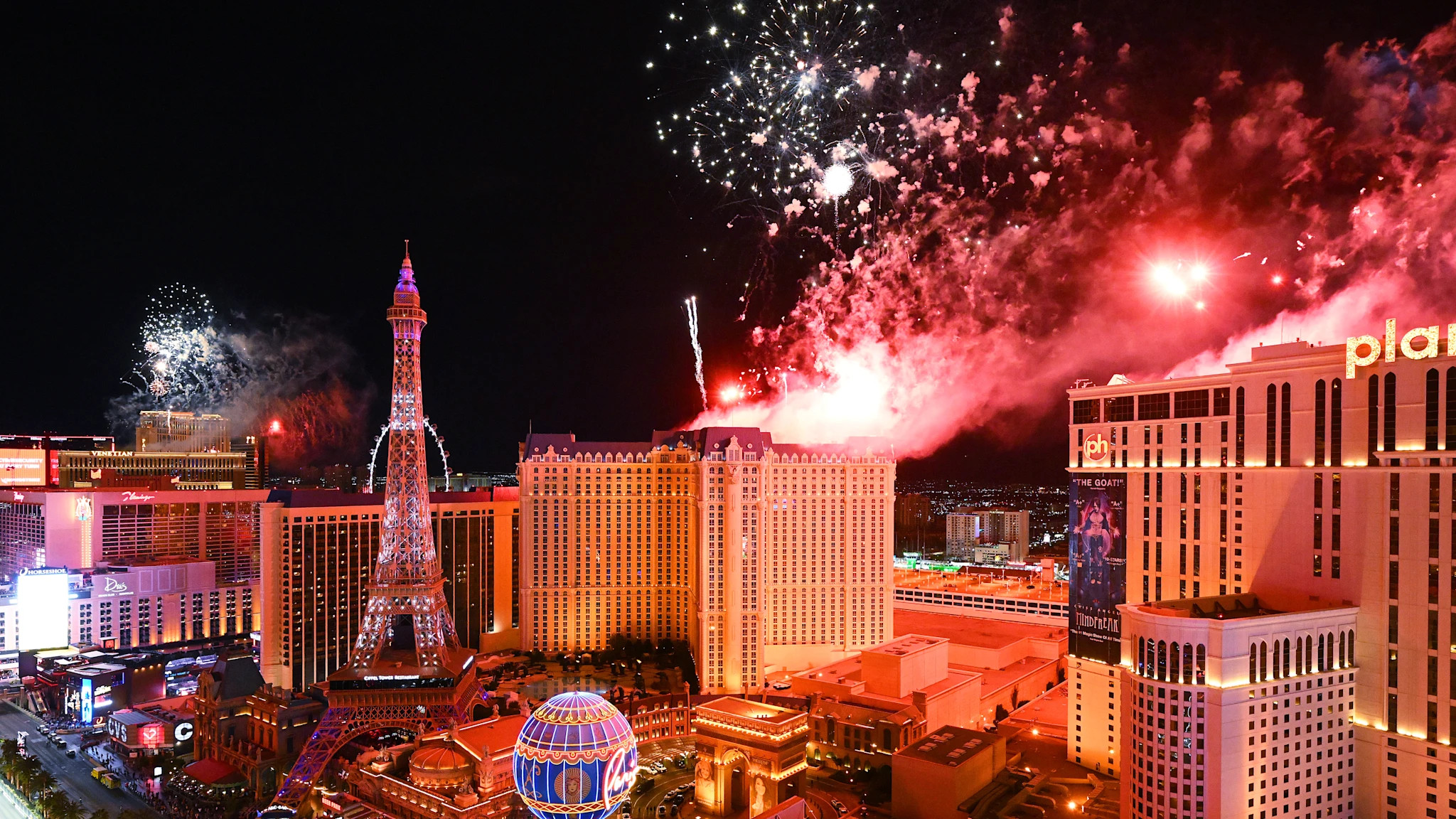 Image accompanying the official F1 announcement.
Formula 1 is back in Las Vegas this weekend for the Las Vegas Grand Prix, with the action taking place on the Las Vegas Strip Circuit—a 17-turn street track built through the heart of the city. The circuit runs past well-known landmarks including Caesars Palace, Bellagio and the Venetian, bringing a distinctly urban setting to a lap built for high-speed passing opportunities.
Although Las Vegas hosted Formula 1 racing in the early 1980s under the name Caesars Palace Grand Prix, the modern era returned to the calendar in 2023 with the debut of the brand-new Las Vegas Strip Circuit. Three years on, this edition marks the fourth Formula 1 event to be staged on the Strip layout.
The circuit’s character has drawn comparisons to Monza, described as the “Temple of Speed,” with average-speed expectations similar in nature. The Las Vegas layout features long straights paired with slower corners, which can create a compelling mix: cars must manage traction and tyre temperatures through demanding sections while still finding time to accelerate hard onto extended straights for overtaking chances.
Jolyon Palmer, a former Renault F1 driver, highlighted the way the track’s geometry affects performance. In his assessment, long straights will force teams to reduce aerodynamic downforce levels, making the cars feel “inherently skittish” even before considering the cool temperatures often relevant to the event window. He also warned that building and maintaining tyre temperature will be tricky on a circuit that alternates between faster and slower segments.
Palmer pointed to specific braking and balance-critical corners. He described Turn 6 into Turn 7 as one of the toughest braking zones, noting the sequence of accelerating through a long left-hander before braking for Turn 7—an area where locking the inside front can be easy. Turn 12, he said, is another key phase because it separates two long straights; finding the right balance between strong braking and preparing a clean exit is difficult, and mistakes there tend to have significant consequences.
Modern regulations also add new strategic and technical layers to how cars will behave across a lap. Straight Mode is a different aerodynamic configuration that reduces drag, improving efficiency as cars accelerate toward top speed. The rear wing continues to open, as it previously did with drivers’ DRS, but now the front wing moves too: the upper elements of the front wing drop down at the same time the rear wing’s top element does. The result is a lap-wide, dry-condition system that adapts between two configurations—maximum downforce in corners and reduced drag on straights.
For the Las Vegas Strip Circuit specifically, the guide identifies three designated Straight Mode zones. The first runs between Turns 4 and 5, the second spans the long section between Turns 12 and 14, and the third is located between Turns 16 and 17. These areas will influence how drivers time their braking and how teams calibrate setup to preserve tyre performance through the transitions between modes.
Alongside Straight Mode, Overtake Mode replaces DRS and operates as a new power mode. The guide explains that Overtake Mode allows a driver to recharge more electrical energy and generate an additional electrical power profile, supporting a higher sustained speed for longer. There is one detection point per lap for this mode, expected—on many occasions—to be out of the final corner and onto a long straight.
The guide further details the activation conditions: Overtake Activation becomes available to drivers on the following lap if they remain within one second of the car ahead at the detection point. For Las Vegas, it places the Overtake Detection marker just out of Turn 16, with the Overtake Activation line on the straight toward Turn 17.
With a circuit that mixes extended acceleration runs, heavy braking challenges and multiple mode zones, the Las Vegas Strip Circuit’s demands are likely to show up in both outright performance and late-lap execution. Effective tyre temperature management and confident corner exits will be central, while the timing of Straight Mode and Overtake Mode windows will help determine where passing opportunities emerge across the race.
Reporting source: F1 official update