
Aston Martin’s Mexico City GP ends after five laps as Honda cites ERS cooling stress at high altitude
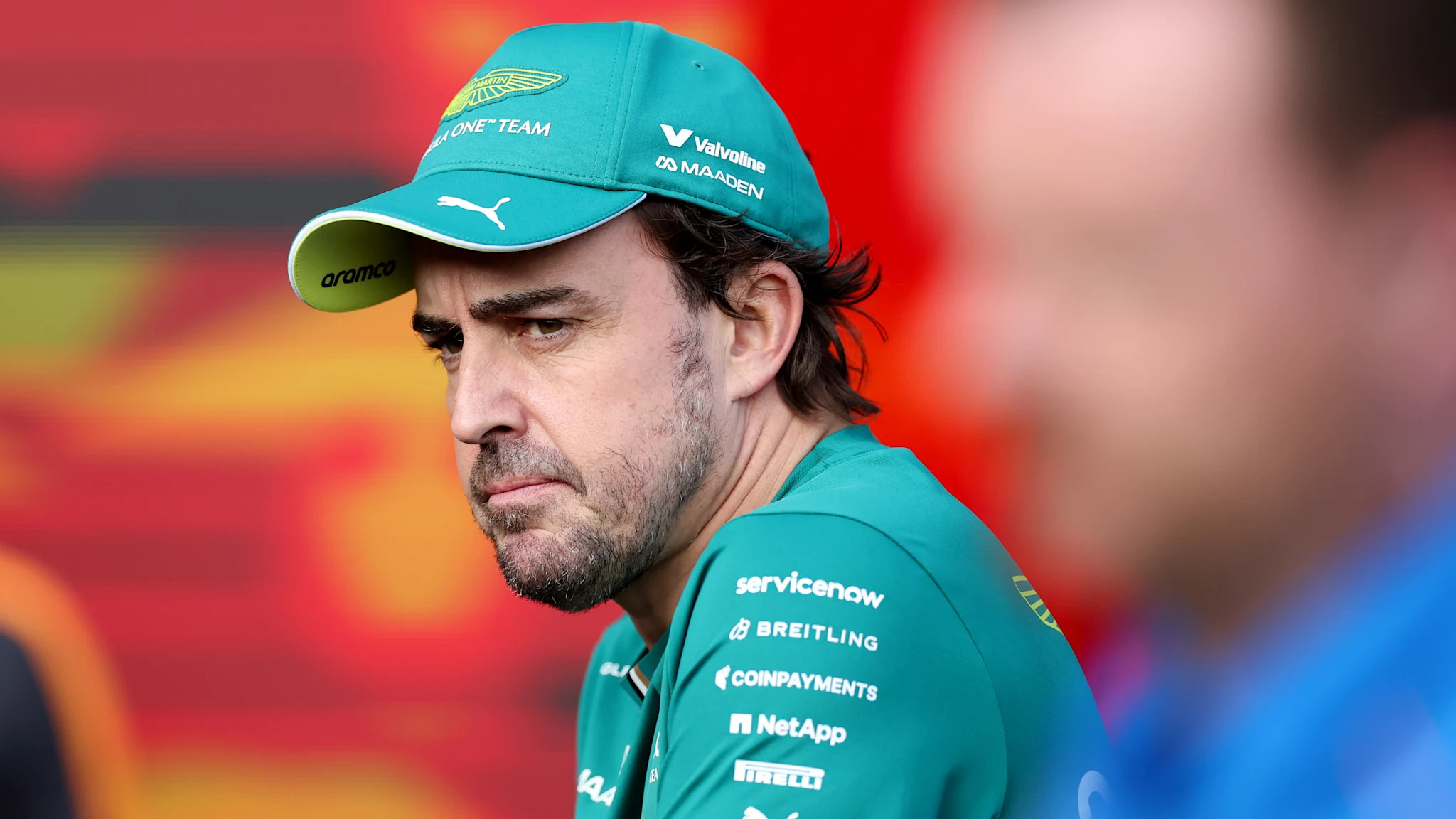 Image accompanying the official F1 announcement.
Honda has explained the technical reason behind Fernando Alonso and Lance Stroll’s Mexico City Grand Prix retirements, which both occurred after five laps of the race. Aston Martin reported a particularly painful Sunday in Mexico, with the double retirement reflecting continuing difficulties for the AMR26 and its Honda power unit package, despite earlier signs of pace in the run-up to qualifying. According to Honda, the sequence of events began to unravel in qualifying when Alonso was told to stop after just one run in Q1. The cause was an MGU-K (Motor Generator Unit – Kinetic) cooling issue, leaving Aston Martin with an abbreviated session and placing greater pressure on race execution. On Sunday, Alonso and Stroll both started into a race where points were available for drivers finishing further down the order, but both suffered cooling-related problems almost immediately. Alonso attributed his poor getaway to a lack of power off the line, and both drivers were then instructed to address cooling issues by lifting off early. At the end of Lap 3, they were called into the pits in an attempt to reduce temperatures and break out of the “train” before the cars could cool sufficiently. Honda said that approach did not resolve the underlying issue. Alonso was soon called back to retire, while Stroll continued around the circuit before being told to pull over and park. Both drivers were ultimately credited with just five laps, underscoring how quickly the ERS cooling problem escalated from a management concern into an enforced shutdown. Alonso directly acknowledged his frustration at the early end to the race, noting that, while practice had been workable, the team could not translate that performance into the decisive moments of qualifying and the race. He said Mexico’s power-unit challenges were understood and still proved insufficient, adding that the problem was shared, as suggested when he saw Stroll arriving while his own car was being addressed. In his remarks, Alonso also pointed to learning for the next cycle. He said Honda and Aston Martin are moving toward a “completely new engine next year,” currently being tested on the dyno, and argued that the chassis side is “going in the right direction,” setting expectations for improved reliability and performance as the programme shifts. Honda Trackside General Manager and Chief Engineer Shintaro Orihara provided further detail on the root cause. He said the ERS cooling circuit experienced “stress in special circumstances,” explaining that racing laps were generally acceptable, but that certain conditions triggered the car to stop. Orihara linked those conditions to Mexico’s high altitude, describing altitude effects as a key factor behind why the issue emerged on that weekend. Asked why the cars could complete many laps in practice, Orihara said the problem was tied to special circumstances rather than a constant limitation. He described the typical operation level as largely manageable, but said the kind of circumstances that appeared “today, and also yesterday” were the ones that exposed a weak point in ERS management, ultimately affecting driveability and reliability. Orihara framed the diagnosis as part of a steep learning curve that Honda has been working through all season. He said preparation included high-altitude planning, including attention to turbo lag, and that most racing-lap conditions could be managed. However, he said that in the exceptional conditions—where ERS management became insufficient—both robustness and driver-facing driveability needed improvement, with feedback and track learning intended to be brought back to the factory for next year. Aston Martin Chief Trackside Officer Mike Krack said the team would analyse how Alonso’s respectable practice pace was achieved, but stressed that cooling concerns were already present early and continued to define the weekend. He highlighted altitude, temperature, and their combined impact on cooling, driveability and grip as Aston Martin’s biggest challenges in Mexico. Krack also noted that the circuit’s resurfacing contributed positively to grip—particularly on the new section of track—giving the team one encouraging box to tick. Still, he said the weekend left Aston Martin both encouraged by parts of its performance and concerned about the persistence of the cooling problem, which ultimately prevented the team from converting practice form into a race result in Mexico City.
captionString replaced_flagged_outside_json_key_holding_for_editing? no, ensure valid JSON: true
caption
Reporting source: F1 official update