
NHL announces 2026 Hockey Hall of Fame class featuring Patrice Bergeron, Carey Price, Pekka Rinne, Keith Tkachuk and Cindy Curley
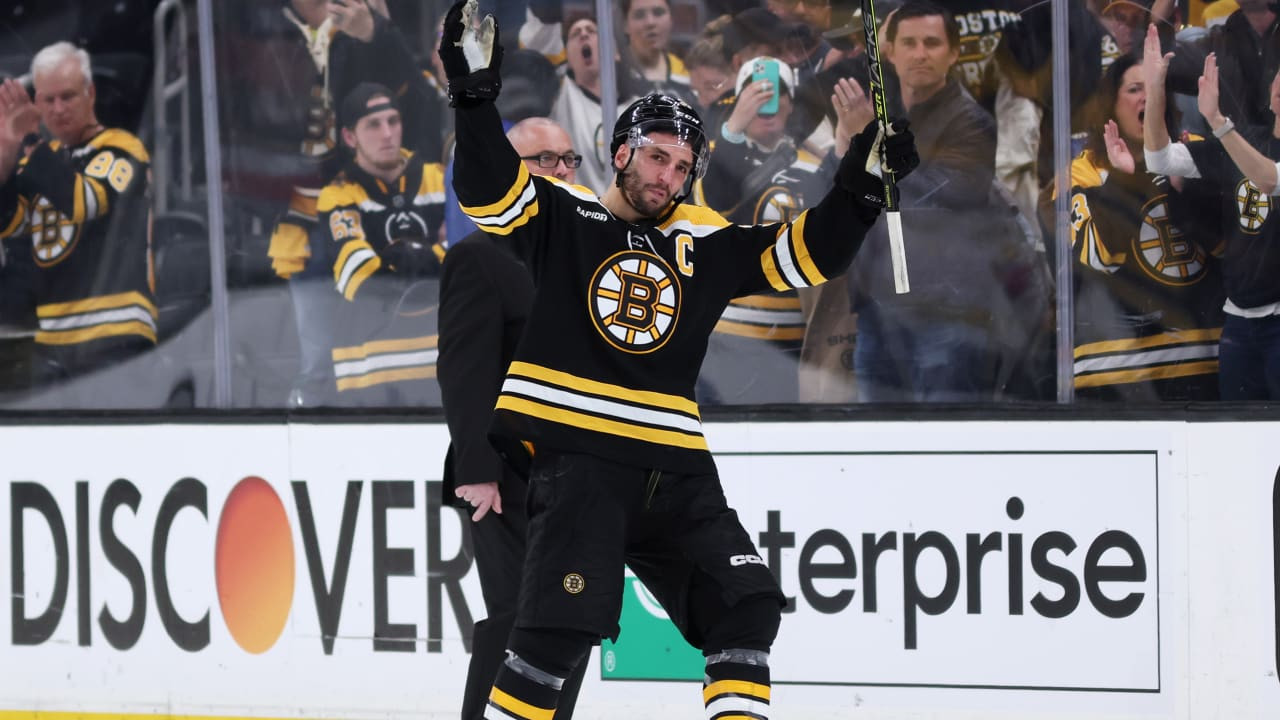 Image accompanying the official NHL announcement.
The Hockey Hall of Fame will induct its 2026 class on Nov. 9, and the NHL has identified the members of the Player category as Carey Price, Pekka Rinne, Patrice Bergeron, Keith Tkachuk and Cindy Curley, with Brian Burke entering the Builder category. The announcement places Bergeron, the longtime Boston Bruins captain, among the headline names recognized for careers that combined elite performance with lasting impact on teams and hockey communities.
Bergeron’s selection arrives after a 19-season NHL career spent entirely with the Boston Bruins, accumulating 1,040 points (427 goals and 613 assists) in 1,294 regular-season games. In the Stanley Cup Playoffs, he recorded 128 points (50 goals and 78 assists) in 170 games, and Boston reached the Stanley Cup Final three times during his run, including championships in 2011. Bergeron’s individual honours also stand out, including the Selke Trophy, which he won a record six times as the NHL’s top defensive forward.
The NHL notes that Bergeron’s résumé also features achievements in international and multi-league competition. He is one of only 30 members of the Triple Gold Club, having won the IIHF Men’s World Championship in 2004, Olympic gold in 2010 and 2014, and the Stanley Cup in 2011. That combination of NHL success and international pedigree is part of the case for his induction highlighted in the NHL’s profile.
A recurring theme in the NHL’s account is Bergeron’s emphasis on connecting with teammates. Bergeron is quoted describing the importance of building relationships “beyond the hockey player,” saying he felt it was “important for me to connect with them,” and that knowing teammates “more” helped open the door to conversation about how people were feeling. The same profile links those off-ice check-ins and discussions with his broader identity as a teammate and leader during his time in Boston.
The NHL’s write-up includes examples of how Bergeron’s approach was remembered by players who shared time with him. Former Bruins skater Brad Marchand is cited recalling late-night discussions, with Marchand describing texts from Bergeron that included coaching-style observations about what he was noticing in teammates and how the group could become closer. The NHL also includes comments from several former teammates, including David Backes, Rich Peverley and Mark Recchi, who were presented in the profile as praising Bergeron as a teammate, player, and leader.
Alongside that leadership narrative, the NHL provides detailed background on how Boston’s decision-making shaped Bergeron’s path to the NHL. Scott Bradley, the Bruins director of amateur scouting from 1997–2008 who later became a senior adviser, is described as having pushed internally for Bergeron despite doubts tied to skating. The Bruins selected Bergeron in the second round of the 2003 NHL Draft, No. 45, and the NHL notes that Bergeron ranks third in points from that draft class behind Joe Pavelski and Eric Staal.
The profile also ties Bergeron’s development to his ability to adapt. Bergeron is quoted acknowledging he was “never necessarily the fastest” and that he relied on stick work, anticipation and instinct to compensate. In the NHL account, he is described as adjusting his game by making quicker plays and ensuring he wasn’t caught, with further defensive emphasis associated with coaching changes during his career.
When the NHL’s profile turns to his effectiveness away from the stat line, it frames Bergeron as a player whose game execution depended on intelligence and positioning. Bruce Cassidy, who coached Bergeron from 2017–22, is quoted describing how Bergeron could “snuff out” the next move a puck carrier wanted to make, using hockey IQ and a stick that was “always on the ice,” as well as body positioning and hand-eye coordination. Cassidy’s comments emphasize that Bergeron’s impact did not rely primarily on speed, but on reading plays and cutting off options.
The NHL also recounts how Bergeron’s offensive influence sharpened as his career progressed. It includes a description of Boston’s captain’s practice before the 2017–18 season, when Bergeron, Brad Marchand and David Pastrnak ended up on the same line and “clicked” quickly in practice. According to the NHL account, the line later became regular after an Oct. 30 game in Columbus, as Cassidy sought to spread out the team’s offense. Bergeron’s season totals referenced in the profile include 63 points in 64 games before his NHL career-high 79-point season the following year.
The induction profile further notes that Bergeron’s career included major concussion effects, beginning with an Oct. 27, 2007 hit from Philadelphia Flyers defenseman Randy Jones that resulted in a significant concussion. The NHL account describes Bergeron missing the rest of that season due to symptoms including dizziness and sensitivity to light. Later, the profile says he sought help from a sports psychologist, Dr. Steve Durant, earlier than many in professional sport after a second significant concussion early in the 2008–09 return.
With Nov. 9 now set as the induction date, the 2026 class places the Bruins icon’s legacy alongside other major inductees. The Player list features Carey Price, Pekka Rinne, Keith Tkachuk and Cindy Curley, while Brian Burke is named as the Builder choice. For fans following the NHL in British Columbia, the announcement provides a clear calendar marker as the league’s recognition of past excellence—particularly from a Bruins core defined by Bergeron’s two-way play and team-first leadership—culminates in Hockey Hall of Fame enshrinement this November.
Reporting source: NHL official update