
Cadillac’s 2027 plan: why Valtteri Bottas stays alongside Sergio Perez
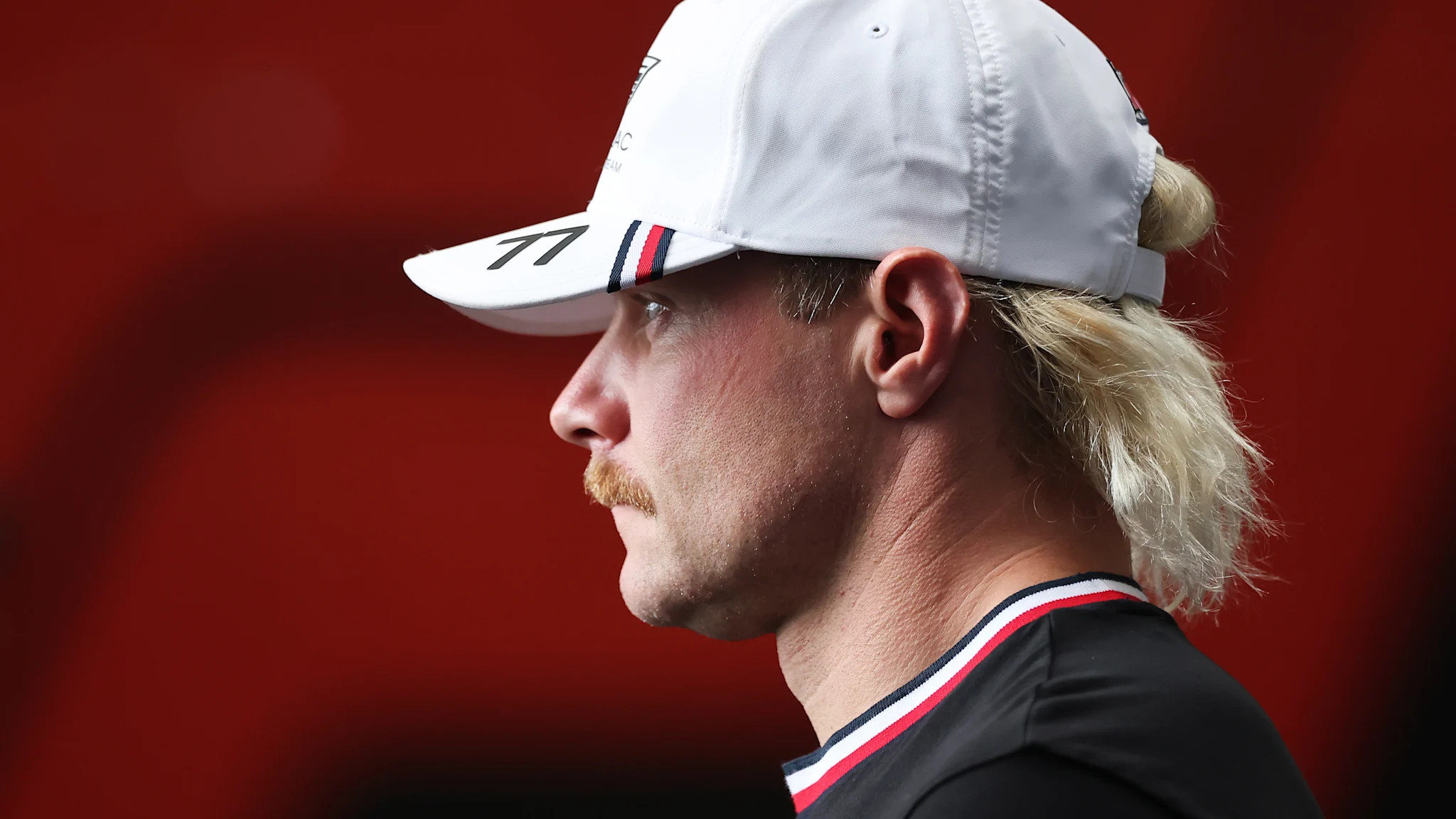 Image accompanying the official F1 announcement.
Cadillac has opted to retain Valtteri Bottas for the 2027 Formula 1 season, keeping him alongside Sergio Perez as the American team looks to accelerate its progress in its second year in the championship. The choice is rooted, according to the team’s public rationale, in the belief that proven experience behind the wheel is crucial while a brand-new constructor works through reliability and performance development.
When Cadillac announced its driver line-up for 2026, it emphasized the combined depth of Bottas and Perez, citing 527 Grands Prix and 16 race victories between them as a key factor. The team’s position was that its debut in F1 would be challenging and that drawing on veteran feedback and race experience would help it navigate early difficulties.
That backdrop has defined Cadillac’s 2026 season. The team has struggled with reliability, recording 14 retirements (DNFs) over the year, with Bottas responsible for nine of those. There has also been one DNS, which the source indicates was Bottas. While there have been moments in which performance suggested the possibility of reaching Q2 or fighting near the lower end of the midfield, the improvement has been described as fleeting rather than consistent.
Cadillac’s focus on stability is reflected in its next contractual step as well. The team moved to lock down Perez on a new multi-year agreement, announced in Mexico, that will keep him at the team until at least the end of 2029. With Perez secured, Cadillac turned attention to whether to extend Bottas as well or consider promoting an alternative path toward a race seat.
In parallel with its decision process on Bottas, Cadillac considered activating a second year on Bottas’ multi-year agreement versus promoting American reserve driver Colton Herta to a race role. The source frames that internal debate through the lens of both performance evaluation and Cadillac’s interest in eventually placing an American driver in the car based on merit.
The head-to-head comparison between the current pairing shows Perez edging Bottas in results. Perez is described as leading the qualifying battle 11-9 and the race head-to-head 6-1. Perez is also noted as being 15-3 clear on fastest laps, and the source adds that Perez is the only one of the two to have spent time in the top 10 during a race, albeit for only one lap.
Cadillac’s argument, however, is that those numbers do not provide a complete picture for a team operating through rapid experimentation. With Cadillac “trying so many different things each weekend” to improve, the source says neither driver was consistently chasing outright ultimate performance. Instead, both were portrayed as focusing on learning the car and diagnosing reliability issues that tend to affect new teams.
Against that context, the team reportedly judged what it received from Bottas in ways that are difficult to access from the outside. The source states Cadillac has been “very happy” with Bottas’ delivery alongside Perez when considering these development metrics. It also highlights a further factor: with so many retirements across the season, Bottas has had limited chances to build momentum or demonstrate his best potential in fully representative race conditions.
Taking the overall project into account, Cadillac accepted that it still needs that expertise as it pushes through the winter and prepares for 2027. The source also points to the on-track working relationship between Bottas and Perez, describing them as getting on well and working together effectively during the year—an element used to justify keeping the pairing rather than making a late change.
The Bottas decision also leaves questions about Herta’s route to the grid. Cadillac has invested heavily in Herta’s development since bringing him over from the United States. The source says the team supported him during his Formula 2 debut campaign, and integrated him into the Formula 1 environment through six FP1 appearances.
In Formula 2, the source reports Herta has managed four points-scoring finishes and sits 19th in the Drivers’ Standings. In Formula 1, the outlook is described more positively, with the 26-year-old portrayed as having impressed Cadillac through all six FP1 sessions and showing strong progression. Crucially, the source ties Herta’s FP1 mileage to earning a Super Licence, giving Cadillac an option to place him in the car in the next few years.
The source adds that time was a factor in Super Licence timing, noting that a large portion of his points were set to expire at the end of this year. It then uses an example from previous rookie experience, describing how difficult it can be for drivers entering a low-development situation to show their ability quickly, and argues that putting Herta into a Cadillac immediately could have risked “burning” his development.
Looking ahead, Cadillac’s commitment to Bottas for 2027 is presented as a matter of buying time both for the team’s operational improvement and for Herta’s preparation. The source concludes by noting that there is still a chance Herta could step up in 2028, since Cadillac only confirmed Bottas for 2027, while the team has yet to announce its roster of test and reserve drivers for next season.
Reporting source: F1 official update