
NHL appoints Karl Stewart as vice president and director of NHL Central Scouting
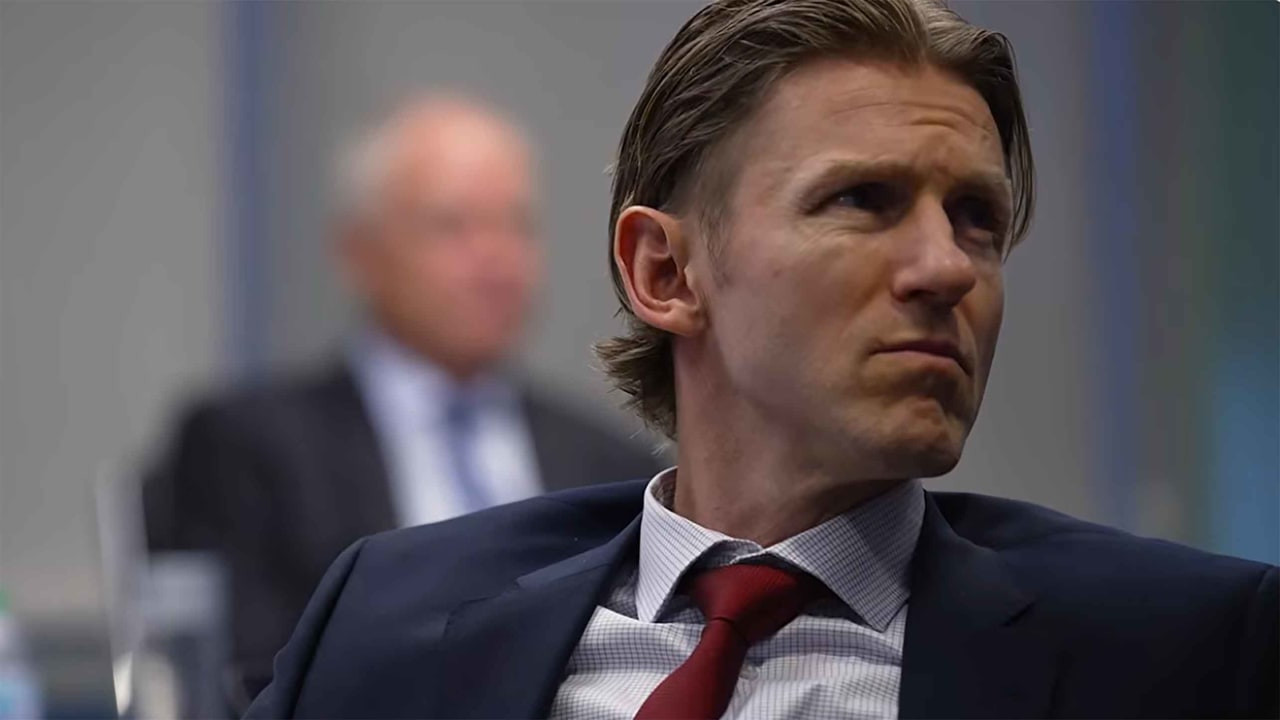 Image accompanying the official NHL announcement.
Karl Stewart has been named vice president and director of NHL Central Scouting, after seven seasons as an amateur scout with the Washington Capitals, according to NHL Central Scouting and the NHL’s announcement reflected in NHL.com’s Q&A feature published Nov. 15, 2026. The discussion also clarifies that the transition is underway as Stewart succeeds Dan Marr, with Marr continuing to supervise the change as Central Scouting group vice president.
In the NHL.com interview, Stewart said he is arriving “coming directly from an NHL team,” and linked that context to understanding what clubs want as the sport continues to evolve. He emphasized that he is not attempting to overhaul the department’s work built by Marr, instead describing his intent as learning what is already in place, protecting what “works,” and bringing a “fresh perspective from the team side.”
Stewart’s path to the Central Scouting role began with his playing career and early development in junior hockey. NHL.com’s Q&A recounts that Peter DeBoer and Steve Spott advised him during his time with the Plymouth Whalers of the Ontario Hockey League (2000–01) to lean into an identity built around relentless, penalty-killing-style effort, including the idea of becoming a “pest” to be noticed.
The same NHL.com profile explains that Stewart’s entry into professional opportunities was shaped by going undrafted. Dan Marr, the Q&A says, invited Stewart to the Atlanta Thrashers’ rookie camp after he was not drafted, which then allowed Stewart to work his way into main camp and ultimately earn an NHL contract.
Central Scouting’s leadership transition is described in the Q&A as also connected to Stewart’s first professional scouting assignments. After his playing career ended, NHL.com states that Colin Campbell and Mike Murphy provided his initial scouting job with NHL Central Scouting, and that Ross Mahoney, a Washington Capitals scouting and development figure referenced in the Q&A, showed Stewart how character should matter when evaluating players and building a staff.
Stewart’s appointment carries practical implications for Central Scouting’s relationship with NHL teams, because his message in the Q&A centered on how scouting information is changing. He described a need to understand team requirements in the modern game, framing the director’s job as helping translate those evolving needs into the department’s evaluations.
NHL.com’s Q&A also outlines what Stewart said he learned during his seven seasons in Washington, portraying the Capitals’ parent organization, Monumental Sports & Entertainment, as “running almost like a mom-and-pop operation” while focusing on individual character in staffing and evaluation. The Q&A notes that Stewart saw the Capitals’ prospect pipeline and roster planning under rebuild conditions as the team planned around the eventual departure of players referenced in the interview, including Nicklas Backstrom, Evgeny Kuznetsov, Braden Holtby, John Carlson and T.J. Oshie.
In discussing his scouting perspective, Stewart said his own playing background informs how he frames evaluation questions. NHL.com’s Q&A states that he believes it is not necessary to have played at a high level to become a good scout, but he argued that former players can add a distinct viewpoint by helping scouts put themselves “in a player’s skates” and consider what a player might have been thinking during game situations.
Stewart also described scouting as a process of study and pattern recognition rather than a single instinct. In the Q&A, he said his early scouting experiences as a player turned into a more deliberate approach to understanding what the observer is actually looking for, emphasizing that scouting involves asking why a player is effective and what they need to improve, including whether those changes are realistic.
As Central Scouting director, Stewart said his immediate job is to support the department’s scouts and create an environment where different perspectives can be heard. NHL.com’s Q&A emphasized that Central Scouting includes full-time and part-time scouts and that Stewart wants teams, players and families to understand both the responsibility of evaluation work and the sacrifices associated with the role, including time away from family commitments.
The NHL.com feature also includes a personal dimension to Stewart’s transition, with discussion of his family’s support. Stewart credited his wife, Leanne, and their three children, Connor, Hannah and Hailey, describing that he has missed events such as birthdays and graduations and noting that the family understands those tradeoffs as part of the hockey “lifestyle” involved in scouting and front-office work.
Stewart’s appointment, as described in NHL.com’s published Q&A, places him at the top of NHL Central Scouting leadership at a time when he expects to balance continuity with an emphasis on how teams’ needs are shifting. With Dan Marr still supervising the transition as Central Scouting group vice president, the NHL’s Central Scouting structure remains in a handoff period while Stewart begins his tenure as vice president and director of the department.
Reporting source: NHL official update